Cathodic protection prevents corrosion on steel piles by redirecting the electrochemical process that causes metal loss. In Red Sea marine environments, high salinity, warm water, oxygen exposure, and tidal activity accelerate corrosion, making cathodic protection essential for docks, jetties, marinas, quay walls, and industrial waterfront structures. Properly designed systems can extend asset life, reduce repair costs, and improve structural reliability. Skylance supports Saudi marine and industrial facilities with professional cathodic protection, inspection support, and corrosion-control planning.
Skylance supports Saudi marine and industrial facilities with professional cathodic protection, inspection support, and corrosion-control planning.
Why Steel Piles Corrode Faster in Red Sea Conditions
Steel piles in marine environments are exposed to one of the most difficult corrosion zones: the area where seawater, oxygen, salt, and movement meet. In the Red Sea, high salinity, warm temperatures, strong sunlight, marine growth, and constant wet-dry exposure can increase corrosion pressure on exposed steel.
The splash zone is often the most vulnerable part of a pile because it is repeatedly exposed to both seawater and air. This creates strong oxygen availability and salt concentration on the steel surface. Below the waterline, corrosion may continue more quietly, especially where coatings are damaged, anodes are depleted, or electrical continuity is poor.
Corrosion may begin as small rust staining or coating breakdown, but it can eventually reduce steel thickness. Once steel section loss becomes serious, the pile may need repair sleeves, jacketing, replacement planning, or underwater intervention. That is why corrosion control must be planned early, not after visible damage spreads.
How Cathodic Protection Protects Steel Piles
Cathodic protection works by controlling the electrochemical reaction that causes steel to corrode. Instead of allowing the steel pile to act as the part that loses metal, the system shifts protection toward the pile and directs corrosion activity away from it.
For steel piles, cathodic protection is usually applied through sacrificial anodes or impressed current systems. Both methods can protect marine piles, but the correct choice depends on pile size, coating condition, water depth, current demand, design life, and maintenance access.
Sacrificial Anode Protection
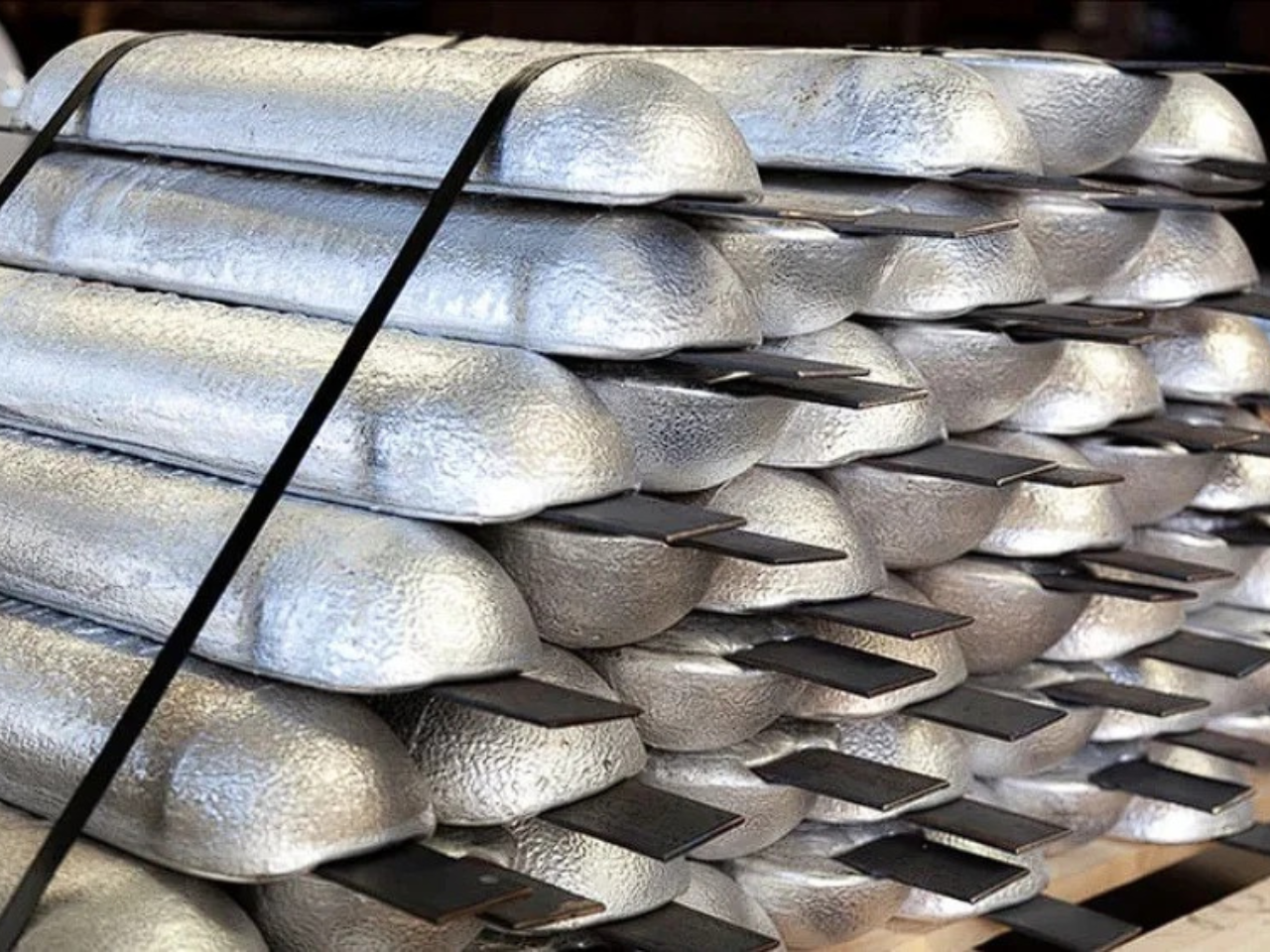
Sacrificial anode systems use metals such as zinc or aluminum that corrode instead of the steel pile. These anodes are attached or positioned so they electrically connect with the pile and provide protective current. This approach is often practical for smaller pile groups, marina structures, pontoons, and assets where a simple system is preferred.
Impressed Current Protection
Impressed current systems use an external DC power source to deliver controlled protective current to the steel. This method is often used for larger pile-supported structures, quay walls, marine terminals, industrial waterfronts, and high-value assets where adjustable protection is needed.
The U.S. Naval Academy explains the technical difference between sacrificial anode and impressed current systems in its corrosion protection material. You can review the educational reference here: USNA notes.
Why Coatings Alone Are Not Enough
Marine coatings are important, but coatings do not always remain perfect. Piles can be damaged during installation, vessel contact, abrasion, debris impact, marine growth removal, or long-term exposure. Once a coating breaks, seawater reaches the steel and corrosion can start in that exposed area.
Cathodic protection works with coatings by protecting the exposed steel where coating damage has occurred. A good coating reduces the amount of current needed, while cathodic protection helps control corrosion at coating defects, submerged surfaces, and vulnerable pile zones.
This is why steel pile protection should not depend on one method only. In Red Sea marine conditions, coating selection, cathodic protection design, anode placement, underwater inspection, and maintenance planning should work together.
What Happens When Steel Piles Are Under-Protected?
Under-protected piles may continue to corrode even if anodes are present. This can happen when anodes are too small, poorly placed, consumed, disconnected, or not suitable for the environment. It can also happen when coating failure increases current demand beyond the original system design.
The danger is that the pile may still look acceptable from above while underwater steel loss is active. Over time, corrosion can weaken the pile wall, reduce load capacity, damage welds, and increase risk around brackets, pile caps, ladders, and connected dock structures.
For marine facilities, this can lead to higher repair costs, difficult underwater work, downtime, and safety concerns. The cost of planned testing is usually much lower than emergency pile repair after corrosion has already spread.
Red Sea Factors That Affect Cathodic Protection Design
Cathodic protection is not a one-size-fits-all system. Red Sea conditions can change the way a system performs. Water salinity, temperature, oxygen content, tidal movement, pile coating condition, marine growth, electrical continuity, and nearby power systems can all affect the amount of protection needed.
Facilities with shore power, lighting, pumps, charging systems, or other electrical equipment should also consider stray current risk. Poor grounding or unwanted current paths can accelerate corrosion and make steel pile protection more complex.
Because of these variables, professional design should be based on actual site conditions. The Federal Highway Administration has published corrosion research showing cathodic protection as a corrosion mitigation method for chloride-exposed structures. You can review the government reference through this FHWA research.
When Steel Piles Need Professional CP Inspection
Professional cathodic protection inspection is needed when a steel pile structure shows rust staining, coating breakdown, fast anode wear, marine growth buildup, unusual corrosion near electrical systems, or repeated surface repair failure. It is also important when a dock, jetty, marina, or quay wall has not been inspected for a long period.
A proper inspection should check above-water and underwater pile conditions. It may include coating review, anode condition checks, electrical continuity testing, potential readings, corrosion mapping, and current demand evaluation. If below-water inspection is required, Skylance can support the assessment through professional diving services.
Inspection is especially important before major repair work, pile jacketing, dock expansion, marina upgrades, or new electrical installations. Testing before construction or repair helps confirm whether the existing corrosion-control system is still suitable or needs redesign.
How Professional CP Maintenance Protects Long-Term Value
Cathodic protection systems need ongoing care. Sacrificial anodes are consumed over time. Cables, connections, rectifiers, and monitoring points can fail. Coatings can break down. Marine growth can hide corrosion. A system that worked during installation may not provide the same level of protection years later.
Professional maintenance helps confirm that the piles are still receiving enough protection. It also helps facility owners plan anode replacement, coating repair, pile rehabilitation, and future corrosion-control upgrades before damage becomes urgent.
If steel pile damage has already progressed, protection work may need to be combined with repair or fabrication planning. Skylance can support related marine works through steel fabrication where structural repair or replacement components are required.
AMPP explains that cathodic protection is widely used for corrosion control in seawater structures and may involve galvanic or impressed current systems depending on the asset. You can read more from AMPP guidance.
FAQs About Cathodic Protection for Steel Piles
Why do steel piles corrode in the Red Sea?
Steel piles corrode in the Red Sea because they are exposed to saltwater, oxygen, high temperatures, humidity, tidal movement, and chloride-rich conditions. These factors accelerate electrochemical corrosion.
Can cathodic protection stop corrosion on steel piles?
Cathodic protection can slow or control corrosion when it is designed, installed, and maintained correctly. If steel has already lost thickness, repair or replacement may also be needed.
Are sacrificial anodes enough for steel piles?
Sacrificial anodes may be enough for smaller or simpler pile structures, but larger facilities may need impressed current systems or a more detailed design. The correct choice depends on site conditions.
How often should steel pile cathodic protection be checked?
Inspection frequency depends on the facility, system type, exposure level, anode condition, coating condition, and operating risk. Marine facilities should schedule periodic testing instead of waiting for visible corrosion.
Does cathodic protection replace coating?
No. Coatings and cathodic protection work together. Coatings reduce seawater exposure, while cathodic protection helps protect exposed steel where coating damage or defects exist.
What are the signs of CP failure on steel piles?
Common signs include rust staining, fast anode loss, coating breakdown, unusual corrosion patterns, visible steel damage, and repeated corrosion after surface repairs.
Protect Steel Piles Before Corrosion Becomes Structural Damage
Cathodic protection for steel piles in Red Sea environments is a critical part of marine infrastructure protection. When designed and maintained correctly, it helps reduce corrosion risk, extend asset life, and protect facility operations from avoidable steel damage.
If your dock, marina, jetty, quay wall, or industrial waterfront structure depends on steel piles, professional inspection can help identify corrosion risk before major repair work becomes necessary.
Contact Skylance to schedule a steel pile cathodic protection assessment or discuss a practical corrosion-control plan for your marine facility in Saudi Arabia.