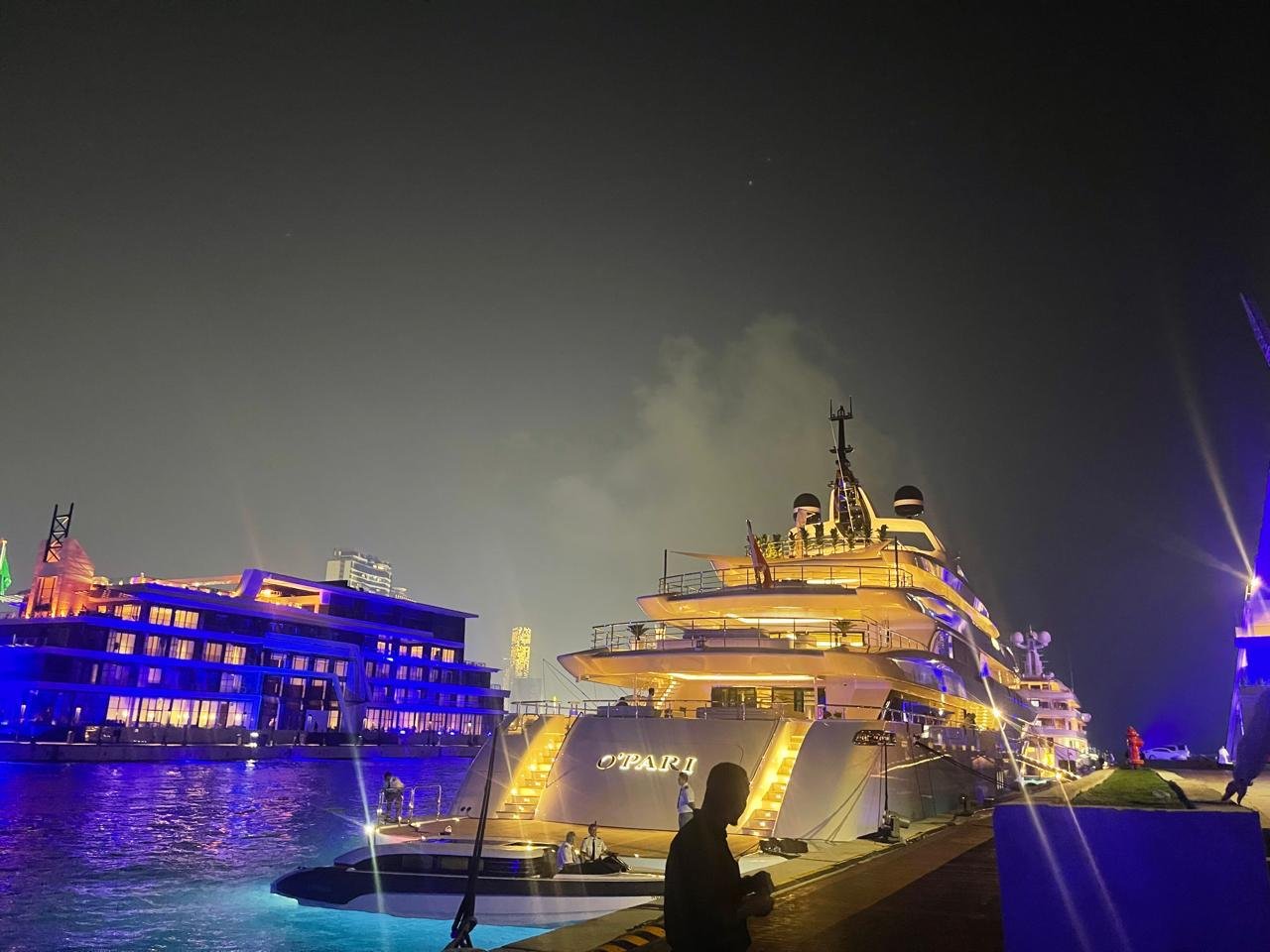
A marine fender system is not only a rubber block fixed to a dock. It is the impact-control system that protects vessels, berth structures, piles, quay walls, pontoons, gangways, and marina users during berthing and daily vessel movement. When the fender system is selected poorly, the damage may not appear immediately. It often shows later as cracked concrete, bent steel brackets, torn hull coatings, overloaded fixings, unsafe boarding gaps, or repeated maintenance problems.
In Saudi Arabia, fender systems must be planned for real coastal conditions: Red Sea and Arabian Gulf salinity, heat, UV exposure, marina traffic, vessel variety, wake action, corrosion risk, and long-term inspection access. Fender systems should work as part of the wider marina infrastructure, integrating with dock structures, steel supports, mooring hardware, underwater interfaces, and operational safety requirements.
The Clear Answer: A Fender System Must Match the Berth, Not Just the Vessel
The right marine fender system depends on vessel size, approach speed, berth geometry, water depth, dock type, freeboard, tidal movement, wake exposure, contact height, expected impact energy, and the strength of the structure behind the fender. A marina berth for small leisure craft needs a different fender logic than a service berth, yacht berth, floating dock, fueling area, or industrial waterfront edge.
Before installation, the full fender interface should be reviewed, including where the vessel makes contact, how berthing energy is absorbed, how reaction loads transfer into the dock structure, how fasteners will perform in a corrosive marine environment, how the system can be inspected, and how the berth will function during daily operations. This helps prevent the fender from becoming a weak point attached to a structure that was never evaluated for impact loads.
What a Marine Fender System Actually Controls
A fender system controls contact between the vessel and the berth. Its job is to absorb berthing energy, reduce direct impact, spread load into the structure, protect the hull, and keep the vessel at a safe working distance from the dock. A good fender does not simply “soften the hit.” It manages where the force goes.
That control depends on the full system: fender body, frontal panel, chains, brackets, anchors, bolts, backing plates, dock frame, quay wall, piles, and the vessel’s contact point. If one component is undersized or poorly aligned, the fender may transfer excessive force into the dock instead of protecting it.
Saudi Marina Conditions Change Fender Selection
Red Sea and Arabian Gulf marina environments can expose fenders to high salinity, extreme heat, UV, humidity, marine growth, dust, wake movement, and frequent customer traffic. These conditions affect rubber performance, coatings, steel brackets, bolts, chains, embedded plates, and inspection intervals.
KAUST’s work around the Red Sea highlights the importance and sensitivity of Saudi marine environments through its Red Sea research. For marina fenders, this reinforces why material choice, maintenance planning, runoff control, and installation discipline matter in coastal projects.
Cylindrical Fenders for Simple Berthing Edges
Cylindrical rubber fenders are common on smaller berths, dock edges, workboat areas, and straightforward contact zones. They are simple, durable, and useful where the berth does not need a complex panel system.
Their limitation is load distribution. If the vessel contact area is narrow or the structure behind the fender is weak, a cylindrical fender may concentrate too much force. The berth edge, fixing details, contact height, vessel type, and supporting structure should be reviewed before a cylindrical fender arrangement is considered suitable for long-term service.
D-Fenders and Square Fenders for Marina Dock Edges
D-shaped and square fenders are often used on marina pontoons, small craft berths, service edges, and dock corners where regular vessel contact is expected. They can provide continuous edge protection and reduce rubbing damage during normal berthing and short-term movement.
These fenders work well only when the fixing pattern and backing structure are correct. A good-looking strip fender can still fail if fasteners loosen, the rubber tears around fixing points, or the dock edge behind it cannot carry repeated contact loads.
Cone and Cell Fenders for Higher-Energy Berths
Cone and cell fenders are used where higher energy absorption is required. They are often paired with frontal panels to spread the load across a larger hull contact area. These systems may be suitable for larger vessels, exposed berths, ferry edges, service berths, or industrial waterfront areas.
Their selection requires careful calculation and structural review. While the fender absorbs berthing energy, the resulting reaction force is transferred into the berth structure. Proper marine structural systems design helps ensure that steel frames, brackets, piles, and support details can safely carry these loads over the long term.
Foam-Filled and Pneumatic Fenders for Flexible Operations
Foam-filled and pneumatic fenders are useful where the marina needs flexibility, temporary protection, ship-to-structure buffering, or changing vessel contact points. They can be moved or adjusted more easily than fixed rubber systems.
The risk is control. Floating or portable fenders must be secured, sized, and positioned correctly. If they ride too high, drift out of place, or are used as a substitute for proper berth design, they can create false confidence while the structure remains exposed.
Frontal Panels Spread the Load
A frontal panel sits between the vessel and the fender unit. Its purpose is to spread impact load across the hull and direct the energy into the fender system more evenly. This is especially important where vessel hull contact must be controlled carefully.
Panel design should consider hull pressure, contact height, chain control, corrosion protection, wearing pads, and maintenance access. A panel that is too small, badly aligned, or poorly protected can damage both the vessel and the berth over time.
Berthing Energy Is the Real Design Question
Fender selection should not begin with rubber shape alone. It should begin with the energy the system must absorb during berthing. Vessel mass, approach speed, berth angle, water movement, tug or operator control, and contact point all affect the demand on the fender.
PIANC’s fender-system guidance has been updated through WG211 to address modern fender design, including berthing energy, design methods, durability, maintenance, and testing considerations through PIANC fender guidance. For marina owners, the lesson is simple: fenders should be selected from design demand, not from appearance or habit.
Dock Structure Must Carry Fender Reaction Loads
A fender can absorb impact, but it does not make force disappear. The remaining reaction load transfers into brackets, bolts, plates, piles, quay walls, pontoons, or steel support frames. If the structure behind the fender is weak, the fender may survive while the dock fails.
Successful marine berth upgrades should include verification of fender reaction loads against dock geometry, access walkways, pile systems, pontoon frames, and quay-wall conditions before new fenders are installed. This helps ensure the supporting structure can safely accommodate long-term berthing forces.
Fenders and Mooring Must Work Together
A fender system protects the contact point. A mooring system controls vessel position. If mooring lines allow too much movement, the vessel may hit the wrong part of the fender, ride over it, miss it, or overload it at an angle.
Fender and mooring design should be reviewed together. Vessel freeboard, line angles, berth width, windage, wave exposure, and docking behavior all affect whether the fender system performs correctly during daily use.
Corrosion Protection Should Be Built Into Fender Details
Fender hardware sits in a demanding corrosion zone. Chains, bolts, brackets, plates, embedded inserts, steel frames, and panel fittings may be exposed to saltwater, splash, heat, and oxygen. If corrosion is ignored, the system can lose strength even when the rubber still looks usable.
Fender hardware decisions should be coordinated with marine corrosion control strategies where submerged steel, splash-zone components, brackets, piles, and waterfront structures require long-term protection. The objective is to preserve structural integrity, reliability, and service life in harsh marine environments.
Saudi Marina Rules Require Safety-Focused Planning
Saudi Red Sea Authority marina regulation requires marina design and operation to consider services, safe utilities, sufficient draught, sustainability, and operating responsibilities through its Saudi marina rules.
For fender systems, this means the berth should be reviewed for safe approach, safe boarding, adequate clearance, vessel protection, maintenance responsibility, and environmental care. A fender system is not complete just because it is installed. It must support safe marina operation.
Installation Accuracy Controls Long-Term Performance
Fender installation is not only drilling holes and tightening bolts. Height, spacing, alignment, anchor depth, backing plates, chain length, panel position, clearance, and torque control all affect the way the system performs.
In some projects, marine steel fabrication is required to produce custom brackets, reinforcement plates, frames, or support details that connect the fender system safely to the existing marina structure. Proper fabrication helps ensure loads are transferred correctly and the installation performs as intended over the long term.
Underwater Checks Confirm What the Surface Cannot Show
Some fender problems are visible from the dock. Others are hidden below water or behind the contact zone. Pile condition, submerged brackets, lower fixings, quay-wall defects, scour, debris, and underwater collision marks may not be obvious from the surface.
Regular underwater fender checks can help identify issues affecting submerged hardware, piles, quay faces, chains, brackets, and lower structural elements before they develop into larger maintenance or safety concerns. Documented inspections also provide a useful baseline for future condition assessments and repair planning.
Inspection Records Protect the Marina Later
A proper fender project should end with evidence, not assumptions. Useful handover records may include fender type, size, capacity data, layout drawings, fixing details, bolt records, alignment checks, panel information, corrosion-protection notes, and inspection recommendations.
These records help future teams understand what was installed, why it was selected, and what should be checked during maintenance. Without records, a marina may replace damaged parts without understanding the original cause of failure.
How Skylance Supports Marine Fender Projects
Skylance supports marine fender projects by connecting berth assessment, structural review, steelwork, corrosion protection, underwater inspection, installation support, and final documentation. This matters because fender failures often happen at the interface between disciplines.
For Red Sea and Arabian Gulf marina owners, operators, developers, and waterfront project teams, Skylance can help review existing berth protection, plan upgrades, install fender systems, inspect hidden interfaces, and document the final arrangement. To discuss a marine fender scope, consult Skylance.
Final Takeaway
A marine fender system should absorb berthing energy, protect vessels, reduce structural damage, support safe operations, and remain inspectable over time. The best system is not the thickest rubber or the most expensive product. It is the system that matches vessel behavior, berth geometry, structural capacity, corrosion exposure, and marina operation.
In Saudi Red Sea and Arabian Gulf environments, fender selection must account for salinity, heat, UV exposure, marine growth, vessel mix, dock structure, maintenance access, and safety requirements. With the right planning, structural review, and installation approach, marine fender systems can provide reliable vessel protection, reduce maintenance demands, and support safer long-term marina operations.
Frequently Asked Questions
What is a marine fender system?
A marine fender system absorbs berthing impact and protects vessels, docks, quay walls, piles, pontoons, and marina structures from direct contact damage.
Which fender type is best for a marina?
It depends on vessel size, berth exposure, water movement, dock structure, contact height, berthing energy, and maintenance access.
Why does berthing energy matter?
Berthing energy determines how much impact the fender must absorb. Choosing a fender without energy review can lead to structural damage or poor vessel protection.
Do fenders and mooring lines need to be designed together?
Yes. Mooring controls vessel position, while fenders control contact. If the vessel is not held correctly, it may strike the wrong area or overload the fender.
What should be checked before fender installation?
Vessel range, berth geometry, dock strength, contact height, fixing details, corrosion exposure, underwater condition, and maintenance access should be reviewed.
Can Skylance support fender upgrades?
Yes. Skylance can support fender review, structural checks, steelwork, corrosion protection, underwater inspection, installation support, and handover documentation.